





Walking Aids
What Are Walking Aids?
Walking aids, also referred to as mobility aids or disability walking aids, are essential tools for people who experience difficulty walking or standing due to age, injury, or medical conditions. These aids provide stability, support, and balance, allowing users to regain their independence and continue daily activities without the need for a wheelchair. Whether you’re looking for a simple cane or a more advanced walker with wheels, there’s a walking aid to meet your needs.
Types of Walking Aids
🔹Walking Sticks & Canes
Walking sticks and canes are classic mobility aids, perfect for those needing minimal support while walking.

|
Features include:
|
🔹 Walkers & Zimmer Frames
Walkers, including traditional zimmer frames, provide enhanced stability for those needing more support than a cane.

|
|
🔹Crutches
Crutches are ideal for individuals recovering from injuries or surgeries.

|
|
🔹 Wheeled Walking Frames & Rollators
For those needing enhanced mobility, walking aids with wheels—like rollators—are an excellent choice.

|
|
🔹Folding Walking Frames
Folding walking aids are portable, making them ideal for travel or compact storage.

|
|
Most Popular Disability Walking Aids
Walking aids are amongst the most popular products that we sell. Below are some of our best sellers:
NRS Healthcare Walking Stick |
Drive Devilbiss Healthcare Adjustable Folding Walking Stick |
Drive Devilbiss Aluminium Tri Walker |
 |
 |
 |
| This adjustable walking stick is lightweight, height-adjustable, and designed for comfortable use both indoors and outdoors, featuring a contoured PVC handle and a stable rubber ferrule. It supports users up to 127 kg and offers a height range of 840–1095 mm for reliable everyday mobility support. | This adjustable folding walking stick combines durability, lightweight design, and comfort, featuring a soft gel handle and a sturdy ferrule to improve stability and reduce hand fatigue. With an adjustable height range of 82.5–92.5 cm, a 135 kg user weight capacity, and a foldable design, it offers reliable, portable support for everyday mobility. | This ultralightweight triwalker is easy to fold with one hand, making it ideal for travel, public transport, and fitting into a car boot, while offering a handy storage pouch for everyday essentials. It features durable, rustproof construction, smooth 18 cm wheels, adjustable handle height, and arthritic-friendly looped brakes for safe, comfortable indoor and outdoor use. |
Who Can Benefit From Walking Aids?
Walking aids are designed for a variety of individuals:
- Balance Issues: Canes and walking sticks offer lightweight, portable options to help users steady themselves.
- Mobility Challenges: Rollators and walkers provide enhanced support and stability for those needing extra assistance.
- Recovering From Injury: Crutches and walking frames help during rehabilitation, reducing strain on affected areas.
- Elderly Users: Many aids are ergonomically designed for aging individuals, offering comfort, support, and safety.
Modern walking aids not only improve mobility but also promote better posture, reduce the risk of falls, and alleviate pressure on joints and muscles, making them invaluable for increasing the overall quality of life.
Best Walking Aid for Balance
For individuals with balance issues, choosing the best walking aid for balance is crucial to maintaining mobility and confidence.
|
Options include:
Whether you prefer a traditional cane or a modern rollator, the right walking aid for balance will depend on your unique mobility needs. Consulting with a healthcare professional can help you make the most informed |
 |
Should I Choose a Traditional or Modern Walking Aid?
Traditional aids like canes, crutches, and zimmer frames offer simple yet effective solutions for mobility challenges. However, modern aids like rollators and folding walking frames are designed using advanced technology, offering:

|
Choosing between traditional and modern walking aids depends on your personal preferences and mobility requirements. |
Should I Opt For A Walking Aid With Wheels?
Walking aids with wheels, such as rollators, are ideal for those seeking enhanced mobility and independence. Benefits include:
If you need greater flexibility and support, walking aids with wheels might be the best option for your lifestyle. |
 |
What to Consider When Buying a Walking Aid
When choosing a walking aid, consider the following factors:
- Mobility Needs: Determine the level of support required, from basic balance assistance to full mobility support.
- Comfort: Look for ergonomic designs, cushioned grips, and adjustable features to ensure comfort during use.
- Portability: If you travel frequently, consider lightweight and foldable options.
- Terrain: Ensure the aid is suitable for your intended environment, such as indoor flooring or outdoor paths.
- Durability: Choose high-quality materials to ensure stability and longevity.
- Budget: Walking aids vary in price; find one that meets your needs without exceeding your budget.
Why Use Mobility2You?
At Mobility2You, we pride ourselves on providing premium mobility aids, including walking aids and zimmer frames, to enhance your quality of life. Our collection includes a wide variety of options, from traditional walking sticks to modern rollators, designed to meet diverse needs.
If you’re unsure which walking aid is right for you, our expert team is here to help. Contact us today to find the perfect solution for your mobility challenges.
The Best Way to Buy Walking Aids
Shopping for walking aids online provides a convenient way to compare features, prices, and customer reviews. Mobility2You offers a wide selection of high-quality mobility aids, ensuring you’ll find the perfect product to suit your needs—all from the comfort of your home.
FAQs
When should I choose a walking stick instead of a walker?A walking stick is suitable if you need mild support for balance, while walkers are better for users who require more consistent weight-bearing assistance. Are walking aids suitable for outdoor use?Many walking aids are designed for both indoor and outdoor use, but wheel size, stability, and braking systems should be considered for uneven surfaces. What walking aids are best for people with arthritis?Walking aids with ergonomic or gel handles and easy-to-use brakes are ideal for people with arthritis, as they reduce hand strain and improve comfort. Are folding walking aids as stable as non-folding ones?Folding walking aids are designed to be stable when in use, while offering the added benefit of easier storage and transport. Can walking aids be used on public transport?Lightweight and foldable walking aids are generally suitable for public transport, making them practical for everyday travel and outings. |
-
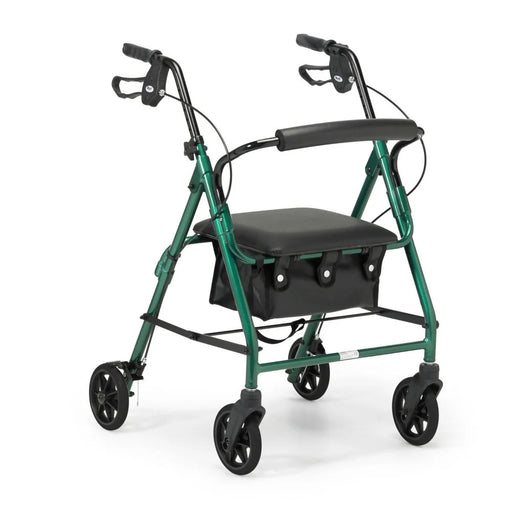
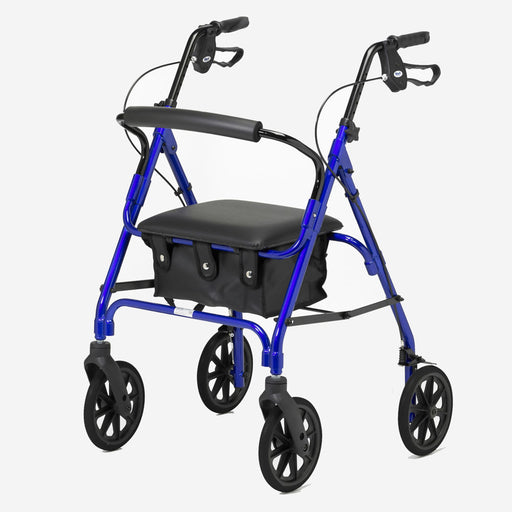
Days 100 Series Rollator - Special Offer
Days MedicalOriginal price £99.99 - Original price £111.79Original price£99.99 - £111.79£99.99 - £111.79Current price £99.99In stockKeeping Patients on the Move The 100 Series Rollator is equipped with aluminium frames, combining lightweight design and robust engineering quality...
View full detailsOriginal price £99.99 - Original price £111.79Original price£99.99 - £111.79£99.99 - £111.79Current price £99.99
What Are Walking Aids?
Walking aids, also referred to as mobility aids or disability walking aids, are essential tools for people who experience difficulty walking or standing due to age, injury, or medical conditions. These aids provide stability, support, and balance, allowing users to regain their independence and continue daily activities without the need for a wheelchair. Whether you’re looking for a simple cane or a more advanced walker with wheels, there’s a walking aid to meet your needs.
Types of Walking Aids
🔹Walking Sticks & Canes
Walking sticks and canes are classic mobility aids, perfect for those needing minimal support while walking.
|
|
Features include:
|
🔹 Walkers & Zimmer Frames
Walkers, including traditional zimmer frames, provide enhanced stability for those needing more support than a cane.
|
|
|
🔹Crutches
Crutches are ideal for individuals recovering from injuries or surgeries.
|
|
|
🔹 Wheeled Walking Frames & Rollators
For those needing enhanced mobility, walking aids with wheels—like rollators—are an excellent choice.
|
|
|
🔹Folding Walking Frames
Folding walking aids are portable, making them ideal for travel or compact storage.
|
|
|
Most Popular Disability Walking Aids
Walking aids are amongst the most popular products that we sell. Below are some of our best sellers:
NRS Healthcare Walking Stick |
Drive Devilbiss Healthcare Adjustable Folding Walking Stick |
Drive Devilbiss Aluminium Tri Walker |
|
|
|
| This adjustable walking stick is lightweight, height-adjustable, and designed for comfortable use both indoors and outdoors, featuring a contoured PVC handle and a stable rubber ferrule. It supports users up to 127 kg and offers a height range of 840–1095 mm for reliable everyday mobility support. | This adjustable folding walking stick combines durability, lightweight design, and comfort, featuring a soft gel handle and a sturdy ferrule to improve stability and reduce hand fatigue. With an adjustable height range of 82.5–92.5 cm, a 135 kg user weight capacity, and a foldable design, it offers reliable, portable support for everyday mobility. | This ultralightweight triwalker is easy to fold with one hand, making it ideal for travel, public transport, and fitting into a car boot, while offering a handy storage pouch for everyday essentials. It features durable, rustproof construction, smooth 18 cm wheels, adjustable handle height, and arthritic-friendly looped brakes for safe, comfortable indoor and outdoor use. |
Who Can Benefit From Walking Aids?
Walking aids are designed for a variety of individuals:
- Balance Issues: Canes and walking sticks offer lightweight, portable options to help users steady themselves.
- Mobility Challenges: Rollators and walkers provide enhanced support and stability for those needing extra assistance.
- Recovering From Injury: Crutches and walking frames help during rehabilitation, reducing strain on affected areas.
- Elderly Users: Many aids are ergonomically designed for aging individuals, offering comfort, support, and safety.
Modern walking aids not only improve mobility but also promote better posture, reduce the risk of falls, and alleviate pressure on joints and muscles, making them invaluable for increasing the overall quality of life.
Best Walking Aid for Balance
For individuals with balance issues, choosing the best walking aid for balance is crucial to maintaining mobility and confidence.
|
Options include:
Whether you prefer a traditional cane or a modern rollator, the right walking aid for balance will depend on your unique mobility needs. Consulting with a healthcare professional can help you make the most informed |
|
Should I Choose a Traditional or Modern Walking Aid?
Traditional aids like canes, crutches, and zimmer frames offer simple yet effective solutions for mobility challenges. However, modern aids like rollators and folding walking frames are designed using advanced technology, offering:
|
|
Choosing between traditional and modern walking aids depends on your personal preferences and mobility requirements. |
Should I Opt For A Walking Aid With Wheels?
Walking aids with wheels, such as rollators, are ideal for those seeking enhanced mobility and independence. Benefits include:
If you need greater flexibility and support, walking aids with wheels might be the best option for your lifestyle. |
|
What to Consider When Buying a Walking Aid
When choosing a walking aid, consider the following factors:
- Mobility Needs: Determine the level of support required, from basic balance assistance to full mobility support.
- Comfort: Look for ergonomic designs, cushioned grips, and adjustable features to ensure comfort during use.
- Portability: If you travel frequently, consider lightweight and foldable options.
- Terrain: Ensure the aid is suitable for your intended environment, such as indoor flooring or outdoor paths.
- Durability: Choose high-quality materials to ensure stability and longevity.
- Budget: Walking aids vary in price; find one that meets your needs without exceeding your budget.
Why Use Mobility2You?
At Mobility2You, we pride ourselves on providing premium mobility aids, including walking aids and zimmer frames, to enhance your quality of life. Our collection includes a wide variety of options, from traditional walking sticks to modern rollators, designed to meet diverse needs.
If you’re unsure which walking aid is right for you, our expert team is here to help. Contact us today to find the perfect solution for your mobility challenges.
The Best Way to Buy Walking Aids
Shopping for walking aids online provides a convenient way to compare features, prices, and customer reviews. Mobility2You offers a wide selection of high-quality mobility aids, ensuring you’ll find the perfect product to suit your needs—all from the comfort of your home.
FAQs
When should I choose a walking stick instead of a walker?A walking stick is suitable if you need mild support for balance, while walkers are better for users who require more consistent weight-bearing assistance. Are walking aids suitable for outdoor use?Many walking aids are designed for both indoor and outdoor use, but wheel size, stability, and braking systems should be considered for uneven surfaces. What walking aids are best for people with arthritis?Walking aids with ergonomic or gel handles and easy-to-use brakes are ideal for people with arthritis, as they reduce hand strain and improve comfort. Are folding walking aids as stable as non-folding ones?Folding walking aids are designed to be stable when in use, while offering the added benefit of easier storage and transport. Can walking aids be used on public transport?Lightweight and foldable walking aids are generally suitable for public transport, making them practical for everyday travel and outings. |