





Diabetes Aids
Managing diabetes effectively is crucial for maintaining a healthy and active lifestyle. Here, we will explore the various aids available for those with diabetes and provide valuable insights to consider when selecting the right tools to support your diabetes management.
Types Of Diabetes Aids

|
🔹Blood Glucose Monitors: Precision in Diabetes ManagementBlood glucose monitors, also known as glucometers, are vital tools for individuals with diabetes. They allow you to monitor your blood sugar levels regularly. Mobility2You offers a selection of blood glucose monitors that include:
🔹Diabetic Foot Care: Protecting Your FeetProper foot care is essential for individuals with diabetes, as diabetes can lead to neuropathy and poor circulation, which can result in foot problems. Our diabetic foot care range includes:
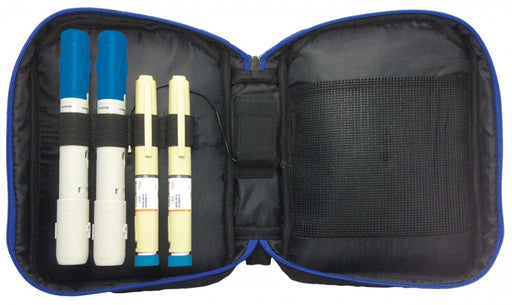
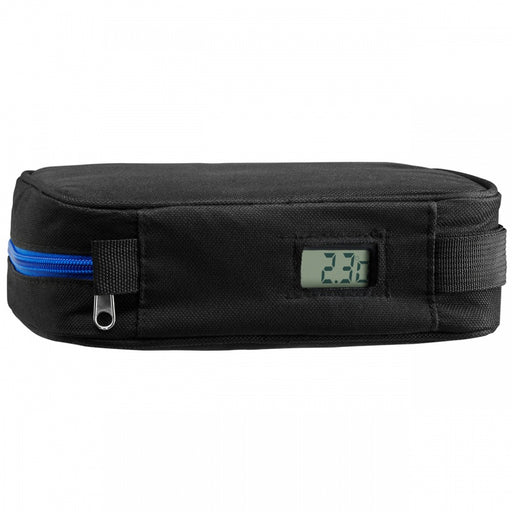
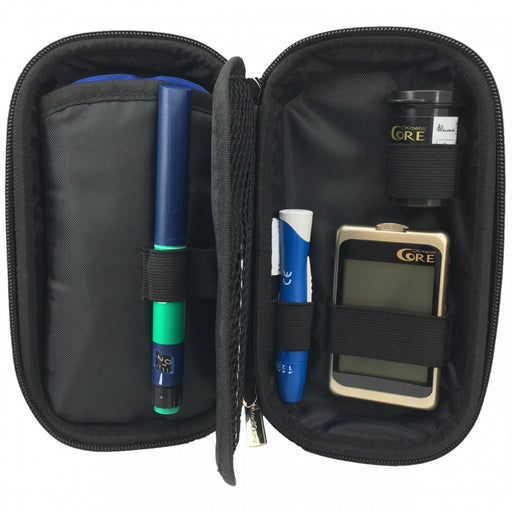
🔹Insulin Carrying Cases: Safe and Convenient StorageInsulin carrying cases are essential for those who need to carry insulin and related supplies. Mobility2You offers insulin carrying cases in various sizes and styles, providing a secure and organized way to transport your medication. 🔹Dietary and Nutrition Aids: Healthy Eating HabitsProper nutrition is a cornerstone of diabetes management. Our dietary and nutrition aids include:
|
Considerations When Buying Diabetes Aids
When selecting diabetes aids, consider the following factors:
|
 |
Why Diabetes Aids Are Important for Daily Management

|
Diabetes aids play a crucial role in helping individuals maintain safe, effective and consistent control over their condition. They support everyday routines and reduce risks related to blood sugar fluctuations, improper insulin handling and mobility challenges. Key reasons why diabetes aids matter:
|
Temperature Guidelines for Insulin Storage
|
Correct insulin storage is essential to maintain its potency, safety and effectiveness. These guidelines help ensure insulin remains within the recommended temperature range. Essential insulin temperature rules:
|
 |
FAQs About Our Diabetic Aids On Sale
How long can insulin stay cool inside an insulated bag?Most insulin cooling cases keep insulin within a safe temperature range for 6–48 hours, depending on the model, ambient heat and the type of cold pack used. Can I use a regular ice pack to store my insulin?Regular ice packs can freeze insulin, which destroys it. Always use temperature-regulated cold packs designed for medical use, preferably with a protective buffer pad. How do I know if my insulin has been damaged by heat?Signs include cloudiness, clumping, crystals, a strange smell or changes in colour. If insulin has been exposed to heat above 25°C for a long period, it should be replaced even if it looks normal. Are insulin cooling bags allowed on airplanes?Yes. Insulin and medical cooling cases are allowed in hand luggage, and you should always keep them with you, never in the hold. How many cold packs do I need for a full day out?Typically two packs: one active and one spare. Long trips or hot climates may require additional packs or larger insulated bags. Can I store other diabetes supplies inside an insulin case?Yes, most insulin carrying cases have space for pens, vials, needles, test strips, meters and lancets—as long as they are separated from the cold pack. Do I need to pre-chill my medical bag before using cold packs?No, but pre-chilling helps extend cooling duration. Only pre-chill if recommended by the manufacturer. |
Experience Better Diabetes Management with Mobility2You
At Mobility2You, we are committed to providing premium aids and products for diabetes management. Explore our range and choose the aids that best align with your specific diabetes management needs. With Mobility2You, you can take control of your diabetes and enjoy a healthier, more active lifestyle.
-
CoolMeds 2-8°C Isothermic Bag
MedigenixOriginal price £45.90 - Original price £55.08Original price £45.90 - Original price £55.08Original price £45.90£40.00 - £48.00£40.00 - £48.00Current price £40.00Out of stockThe MediGenix CoolMeds isothermic bag has been specially designed, using high-quality materials, to safely transport temperature sensitive medicine...
View full detailsOriginal price £45.90 - Original price £55.08Original price £45.90 - Original price £55.08Original price £45.90£40.00 - £48.00£40.00 - £48.00Current price £40.00Sold out -
CoolMeds 15-25°C Cold Pack
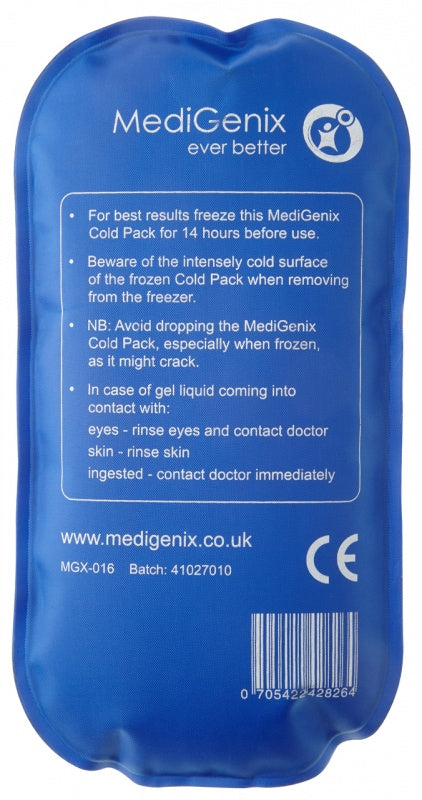
MedigenixOriginal price £6.00 - Original price £7.20Original price £6.00 - Original price £7.20Original price £6.00£4.62 - £5.54£4.62 - £5.54Current price £4.62Out of stockThe CoolMeds Commute Cold Pack is an essential spare cold pack to keep in the freezer as a reserve. It keeps your medicine at 15-25°C for up 6-8 h...
View full detailsOriginal price £6.00 - Original price £7.20Original price £6.00 - Original price £7.20Original price £6.00£4.62 - £5.54£4.62 - £5.54Current price £4.62Sold out -
MediGenix CoolMeds 15-25°C Commute
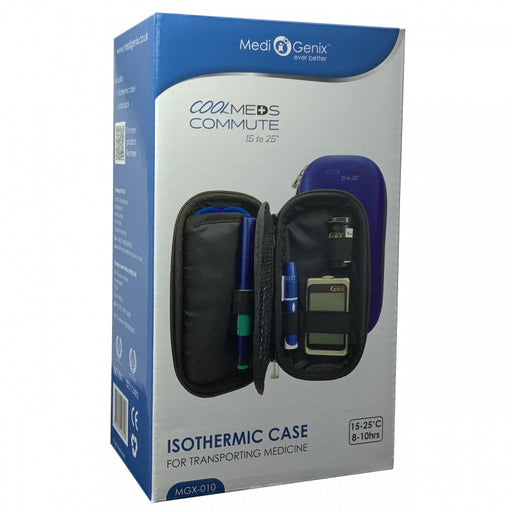
MedigenixOriginal price £29.90 - Original price £35.88Original price £29.90 - Original price £35.88Original price £29.90£23.24 - £27.89£23.24 - £27.89Current price £23.24Out of stockNeed to keep your medicine between 15-25°C for 6-8hrs? We have the ideal case for you. Our CoolMeds Commute bag is ideal for transporting your dai...
View full detailsOriginal price £29.90 - Original price £35.88Original price £29.90 - Original price £35.88Original price £29.90£23.24 - £27.89£23.24 - £27.89Current price £23.24Sold out -
CoolMeds Buffer Pad (2's)
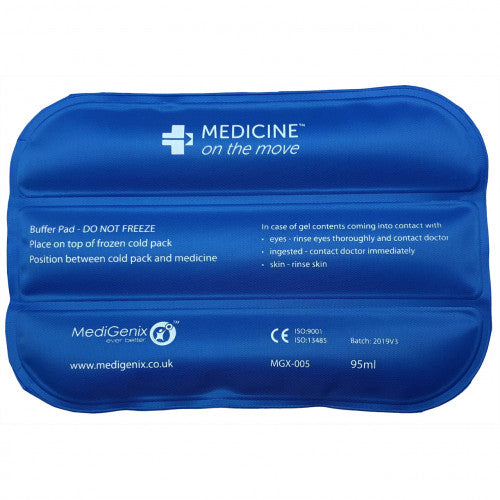
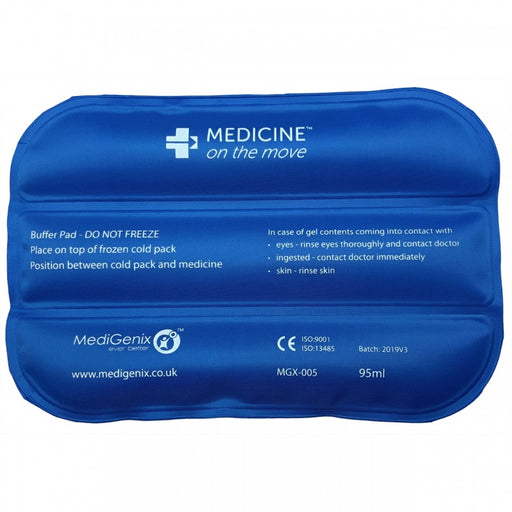
MedigenixOriginal price £3.80 - Original price £4.56Original price £3.80 - Original price £4.56Original price £3.80£2.94 - £3.53£2.94 - £3.53Current price £2.94Out of stockThe CoolMeds buffer pad is used in the CoolMeds 2-8°C Isothermic bag. Acting as a protective regulator the buffer pad absorbs the initial excess co...
View full detailsOriginal price £3.80 - Original price £4.56Original price £3.80 - Original price £4.56Original price £3.80£2.94 - £3.53£2.94 - £3.53Current price £2.94Sold out -
CoolMeds 2-8°C Cold Pack
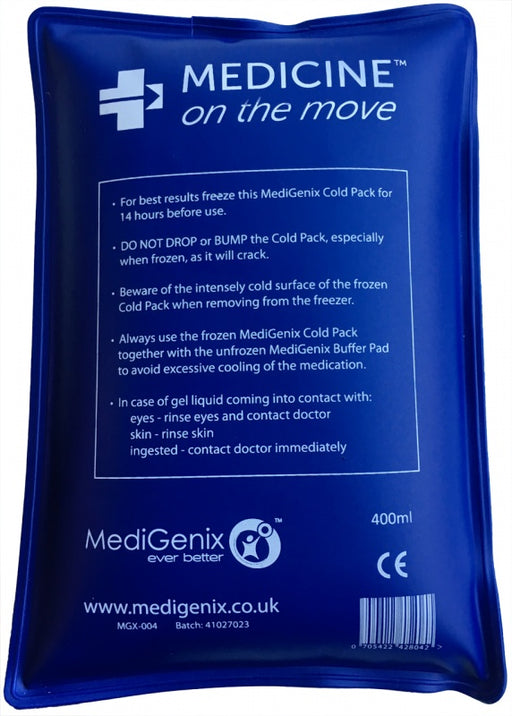
MedigenixOriginal price £6.70 - Original price £8.04Original price £6.70 - Original price £8.04Original price £6.70£5.18 - £6.22£5.18 - £6.22Current price £5.18Out of stockFor use with CoolMeds Medicine & Insulin Travel Case Keeps medicine cool at 2-8°C Stays cold for 12-18hrs x1 Cold Pack The CoolMeds Cold Pack...
View full detailsOriginal price £6.70 - Original price £8.04Original price £6.70 - Original price £8.04Original price £6.70£5.18 - £6.22£5.18 - £6.22Current price £5.18Sold out
Managing diabetes effectively is crucial for maintaining a healthy and active lifestyle. Here, we will explore the various aids available for those with diabetes and provide valuable insights to consider when selecting the right tools to support your diabetes management.
Types Of Diabetes Aids
|
|
🔹Blood Glucose Monitors: Precision in Diabetes ManagementBlood glucose monitors, also known as glucometers, are vital tools for individuals with diabetes. They allow you to monitor your blood sugar levels regularly. Mobility2You offers a selection of blood glucose monitors that include:
🔹Diabetic Foot Care: Protecting Your FeetProper foot care is essential for individuals with diabetes, as diabetes can lead to neuropathy and poor circulation, which can result in foot problems. Our diabetic foot care range includes:
🔹Insulin Carrying Cases: Safe and Convenient StorageInsulin carrying cases are essential for those who need to carry insulin and related supplies. Mobility2You offers insulin carrying cases in various sizes and styles, providing a secure and organized way to transport your medication. 🔹Dietary and Nutrition Aids: Healthy Eating HabitsProper nutrition is a cornerstone of diabetes management. Our dietary and nutrition aids include:
|
Considerations When Buying Diabetes Aids
When selecting diabetes aids, consider the following factors:
|
|
Why Diabetes Aids Are Important for Daily Management
|
|
Diabetes aids play a crucial role in helping individuals maintain safe, effective and consistent control over their condition. They support everyday routines and reduce risks related to blood sugar fluctuations, improper insulin handling and mobility challenges. Key reasons why diabetes aids matter:
|
Temperature Guidelines for Insulin Storage
|
Correct insulin storage is essential to maintain its potency, safety and effectiveness. These guidelines help ensure insulin remains within the recommended temperature range. Essential insulin temperature rules:
|
|
FAQs About Our Diabetic Aids On Sale
How long can insulin stay cool inside an insulated bag?Most insulin cooling cases keep insulin within a safe temperature range for 6–48 hours, depending on the model, ambient heat and the type of cold pack used. Can I use a regular ice pack to store my insulin?Regular ice packs can freeze insulin, which destroys it. Always use temperature-regulated cold packs designed for medical use, preferably with a protective buffer pad. How do I know if my insulin has been damaged by heat?Signs include cloudiness, clumping, crystals, a strange smell or changes in colour. If insulin has been exposed to heat above 25°C for a long period, it should be replaced even if it looks normal. Are insulin cooling bags allowed on airplanes?Yes. Insulin and medical cooling cases are allowed in hand luggage, and you should always keep them with you, never in the hold. How many cold packs do I need for a full day out?Typically two packs: one active and one spare. Long trips or hot climates may require additional packs or larger insulated bags. Can I store other diabetes supplies inside an insulin case?Yes, most insulin carrying cases have space for pens, vials, needles, test strips, meters and lancets—as long as they are separated from the cold pack. Do I need to pre-chill my medical bag before using cold packs?No, but pre-chilling helps extend cooling duration. Only pre-chill if recommended by the manufacturer. |
Experience Better Diabetes Management with Mobility2You
At Mobility2You, we are committed to providing premium aids and products for diabetes management. Explore our range and choose the aids that best align with your specific diabetes management needs. With Mobility2You, you can take control of your diabetes and enjoy a healthier, more active lifestyle.