





Dementia & Memory Aids
Different Types of Mobility Aids For Dementia Patients
There are different types of mobility aids for dementia patients, each designed to support safety, independence, and daily routines at home as cognitive and physical needs change.
🔹Walking Aids for Dementia Patients
Walking aids help people with dementia maintain balance and mobility while reducing the risk of falls during daily movement.

|
Considerations:
|
🔹Transfer and seating aids
Transfer and seating aids support safe sitting, standing, and resting, helping reduce physical strain and anxiety in people with dementia.

|
Considerations:
|
🔹Bathroom mobility aids for dementia patients
Bathroom mobility aids improve safety and independence in one of the most challenging environments for people living with dementia.

|
Considerations:
|
🔹Bed and bedroom mobility aids
Bed and bedroom mobility aids allow people with dementia to carry out everyday activities safely while resting or recovering.

|
Considerations:
|
🔹Eating and drinking mobility aids for dementia
Eating and drinking mobility aids help people with dementia maintain independence and dignity during mealtimes.

|
Considerations:
|
Benefits of mobility aids for people with dementia
|
 |
How to choose the right mobility aid for dementia

|
|
Mobility aids by stage of dementia
Regular reassessment is important, as mobility needs may change gradually or unexpectedly. |
 |
FAQs
When should mobility aids be introduced for dementia patients?Mobility aids should be introduced as soon as balance issues, difficulty standing, or fear of falling appear, even in the early stages of dementia. Are mobility aids safe for people with cognitive impairment?When correctly selected and introduced gradually, mobility aids are safe and effective aids to help dementia patients, especially when stability and simplicity are prioritised. Are mobility aids suitable for people with both dementia and limited strength?Yes, many mobility aids for dementia patients are specifically designed to support reduced strength, offering stability and assistance without requiring significant physical effort. Are mobility aids suitable for use in small or cluttered homes?Many compact and lightweight mobility aids for dementia patients are designed specifically for use in smaller living spaces, helping improve safety without restricting movement. |
-
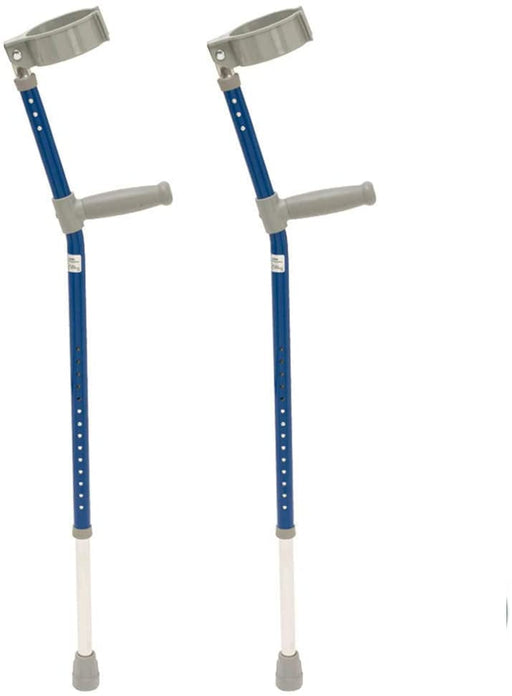
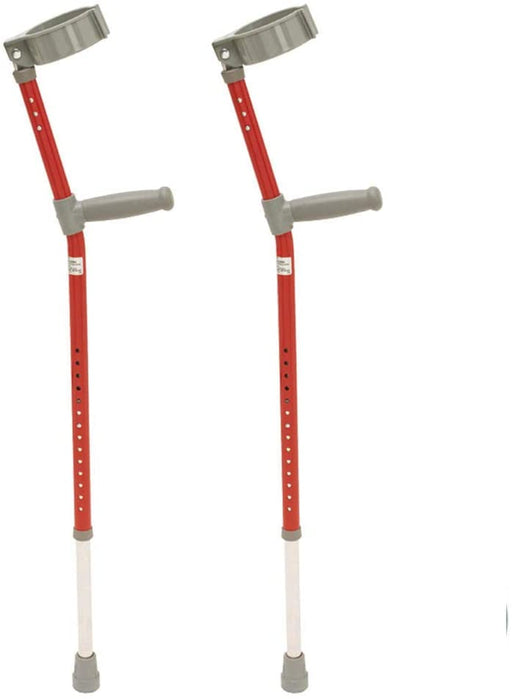
Coloured Crutches (Pair)
NRSOriginal price £64.99 - Original price £77.99Original price£64.99 - £77.99£64.99 - £77.99Current price £64.99Out of stockEye-catching and fun, these Coloured Crutches make getting better a lot less painful. Providing a strong support whilst you're walking, these sturd...
View full detailsOriginal price £64.99 - Original price £77.99Original price£64.99 - £77.99£64.99 - £77.99Current price £64.99 -
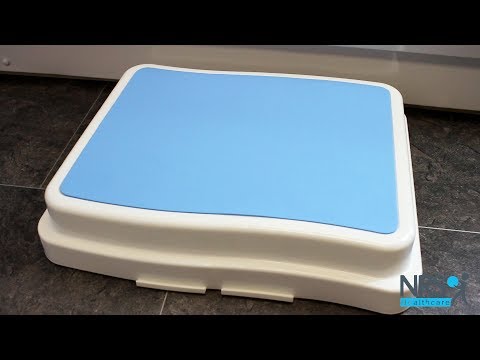
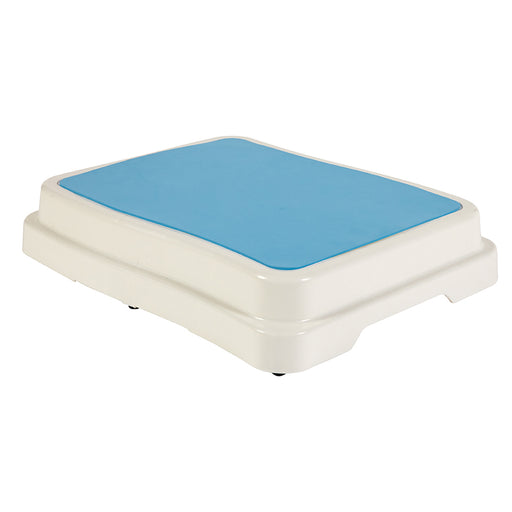
Bathroom Step
Online ExclusiveOriginal price £22.70 - Original price £22.70Original price£22.70£22.70 - £22.70Current price £22.70Out of stockComfortably get into and out of the bath with this slip resistant step. Designed to increase the accessibility of your bath or shower, this Bathroo...
View full detailsOriginal price £22.70 - Original price £22.70Original price£22.70£22.70 - £22.70Current price £22.70Sold out -
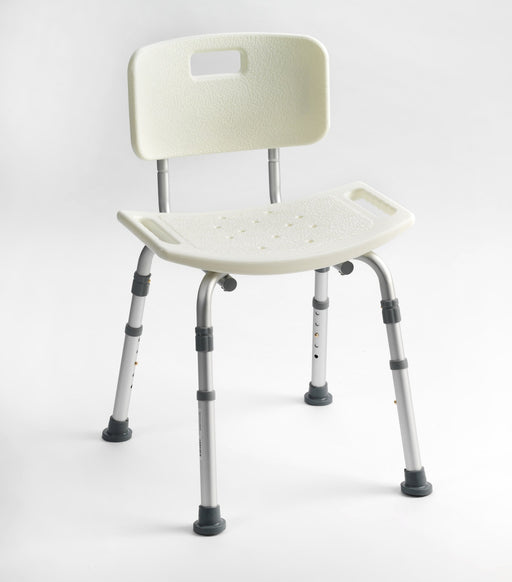
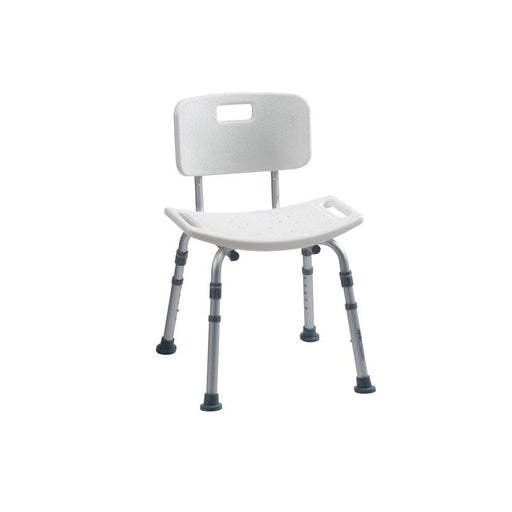
Deluxe Aluminium Adjustable Bath Bench With Back
Drive DeVilbiss HealthcareOriginal price £55.30Original price £55.30 - Original price £55.30Original price £55.30Current price £45.10£45.10 - £45.10Current price £45.10Out of stockAn attractive mobility aid ideal for even the most modern bathrooms. The Deluxe Aluminium bath bench is a versatile, free-standing stool with cont...
View full detailsOriginal price £55.30Original price £55.30 - Original price £55.30Original price £55.30Current price £45.10£45.10 - £45.10Current price £45.10Sold out -
Extra-Long Flexible Shoe Horn
Mobility2YouOriginal price £9.00Original price £9.00 - Original price £9.00Original price £9.00Current price £7.00£7.00 - £7.00Current price £7.00Out of stockThis lightweight and easy to use shoe horn is ideal for those that have difficulty in putting on their shoes or slippers. The long handle allows fo...
View full detailsOriginal price £9.00Original price £9.00 - Original price £9.00Original price £9.00Current price £7.00£7.00 - £7.00Current price £7.00Sold out -
President Grab Bar 600mm Blue
AidaptOriginal price £13.20Original price £13.20 - Original price £13.20Original price £13.20Current price £8.99£8.99 - £8.99Current price £8.99Out of stockStay safe in the bath or shower with this high visibility grab bar. The President Grab Bar is an attractive, durable grab bar ideal for volume use...
View full detailsOriginal price £13.20Original price £13.20 - Original price £13.20Original price £13.20Current price £8.99£8.99 - £8.99Current price £8.99Sold out -
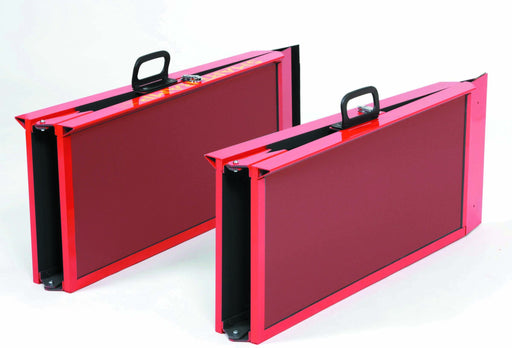
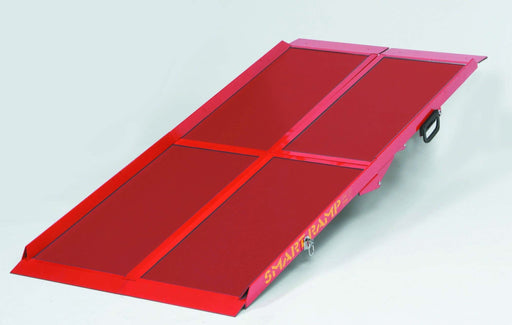
Smart Ramp 6Ft
Drive DeVilbiss HealthcareOriginal price £419.00 - Original price £502.80Original price £419.00 - Original price £502.80Original price £419.00£332.36 - £398.83£332.36 - £398.83Current price £332.36Out of stockThe Drive DeVilbiss Healthcare Smart Ramp has been designed for use with wheelchairs, powerchairs and scooters. Its main purpose is for users to ga...
View full detailsOriginal price £419.00 - Original price £502.80Original price £419.00 - Original price £502.80Original price £419.00£332.36 - £398.83£332.36 - £398.83Current price £332.36Sold out -
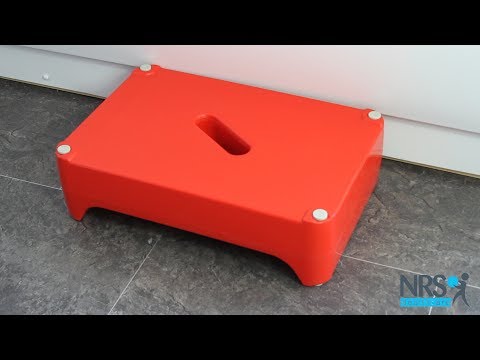
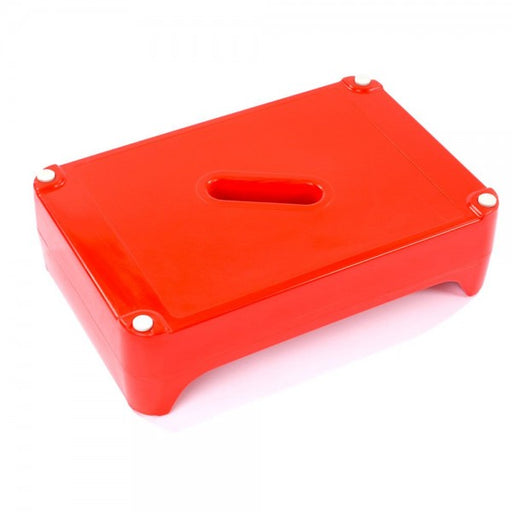
Ashby Bath Step - Red
LanghamOriginal price £61.59 - Original price £73.90Original price£61.59 - £73.90£61.59 - £73.90Current price £61.59Out of stockSuitable for those with Dementia, this vividly coloured Ashby Step Two is a robust bath step that gives the user a choice of two different step hei...
View full detailsOriginal price £61.59 - Original price £73.90Original price£61.59 - £73.90£61.59 - £73.90Current price £61.59Sold out


Different Types of Mobility Aids For Dementia Patients
There are different types of mobility aids for dementia patients, each designed to support safety, independence, and daily routines at home as cognitive and physical needs change.
🔹Walking Aids for Dementia Patients
Walking aids help people with dementia maintain balance and mobility while reducing the risk of falls during daily movement.
|
|
Considerations:
|
🔹Transfer and seating aids
Transfer and seating aids support safe sitting, standing, and resting, helping reduce physical strain and anxiety in people with dementia.
|
|
Considerations:
|
🔹Bathroom mobility aids for dementia patients
Bathroom mobility aids improve safety and independence in one of the most challenging environments for people living with dementia.
|
|
Considerations:
|
🔹Bed and bedroom mobility aids
Bed and bedroom mobility aids allow people with dementia to carry out everyday activities safely while resting or recovering.
|
|
Considerations:
|
🔹Eating and drinking mobility aids for dementia
Eating and drinking mobility aids help people with dementia maintain independence and dignity during mealtimes.
|
|
Considerations:
|
Benefits of mobility aids for people with dementia
|
|
How to choose the right mobility aid for dementia
|
|
|
Mobility aids by stage of dementia
Regular reassessment is important, as mobility needs may change gradually or unexpectedly. |
|
FAQs
When should mobility aids be introduced for dementia patients?Mobility aids should be introduced as soon as balance issues, difficulty standing, or fear of falling appear, even in the early stages of dementia. Are mobility aids safe for people with cognitive impairment?When correctly selected and introduced gradually, mobility aids are safe and effective aids to help dementia patients, especially when stability and simplicity are prioritised. Are mobility aids suitable for people with both dementia and limited strength?Yes, many mobility aids for dementia patients are specifically designed to support reduced strength, offering stability and assistance without requiring significant physical effort. Are mobility aids suitable for use in small or cluttered homes?Many compact and lightweight mobility aids for dementia patients are designed specifically for use in smaller living spaces, helping improve safety without restricting movement. |