





Breaks & Fractures Mobility Aids
Here you'll find a comprehensive range of mobility aids and healthcare products designed to support individuals dealing with breaks and fractures. Whether you are looking for broken leg support equipment or broken arm aids, you're sure to find something at Mobility2You.
Different Types On Sale Of Mobility Aids For Breaks & Fractures
🔹Crutches for Support and Mobility
Crutches are a classic mobility aid that provides support to individuals with leg injuries, allowing them to maintain mobility. Our range includes:

|
|
🔹Wheelchairs for Comprehensive Support
Wheelchairs are versatile mobility aids that offer comprehensive support for individuals with a wide range of injuries. We provide various options, including:

|
|
🔹Orthopedic Products for Healing
Orthopedic products play a crucial role in the recovery process. We offer a variety of supportive braces, supports, and orthopedic accessories to assist in the healing of fractures and breaks.
Considerations When Buying Mobility Products For Broken Bones:
|
a. Injury Type: Identify the specific type and location of the break or fracture to determine the most suitable mobility aid. b. Mobility Needs: Assess the individual's mobility needs, whether they need non-weight-bearing support or comprehensive assistance. c. User Comfort: Prioritize products that offer user comfort, including cushioning, adjustability, and ergonomic design. d. Weight Capacity: Ensure that the chosen product can safely support the user's weight. e. Durability: Our mobility products are crafted from high-quality materials for longevity and stability. f. Safety Features: Prioritize products with essential safety features, such as non-slip grips, stable frames, and secure locking mechanisms. |
 |
Load Management & Gait Support for Fracture Recovery
 |
|
Why Buy Fracture Aids from Mobility2You?
At Mobility2You, we are dedicated to providing premium mobility products to empower individuals to recover from broken bones with confidence and independence. Explore our selection, consider the different types and considerations outlined above, and make an informed choice that aligns with your specific mobility requirements during your healing journey.
FAQs
Which fracture aid should I choose for my type of injury?It depends on the injured area (upper vs lower limb), your balance, and your current mobility. Lower-limb fractures often require higher stability and load management, while upper-limb injuries may limit grip strength and affect what you can safely use. What does “non-weight-bearing” vs “partial weight-bearing” mean for choosing an aid?Non-weight-bearing means you should not put weight through the injured limb, so you’ll typically need maximum support and stability. Partial weight-bearing means you can gradually load the limb, so adjustable, stable aids that support progressive loading are often preferred. How do I know if a walker/rollator is safer than crutches?If you feel unsteady, tire quickly, or need a wider base of support, a frame or rollator can be more stable than crutches. Crutches can be effective but usually require better balance, coordination, and upper-body strength. How do I set the correct height for crutches, canes, or walkers?A correct fit generally supports upright posture and controlled weight transfer. Look for adjustable height ranges and follow the product sizing guide; if you’re between sizes, choose the option that maintains comfortable elbow bend and stable posture. What weight capacity should I look for?Always choose an aid with a user weight capacity that safely exceeds your body weight. If you’re close to a limit, step up to a higher capacity for better stability and durability. Are wheeled aids (rollators/knee walkers) safe indoors?They can be, but check turning radius, width (doorways), brake performance, and floor type. If you have tight spaces, thresholds, or slippery flooring, you may need a narrower model or a more stable non-wheeled option. Do I need brakes on a rollator or wheeled aid?Yes, reliable brakes are important for control, especially when slowing, turning, or standing up. If you’re using it for rest breaks, make sure it has a secure parking brake. |
-
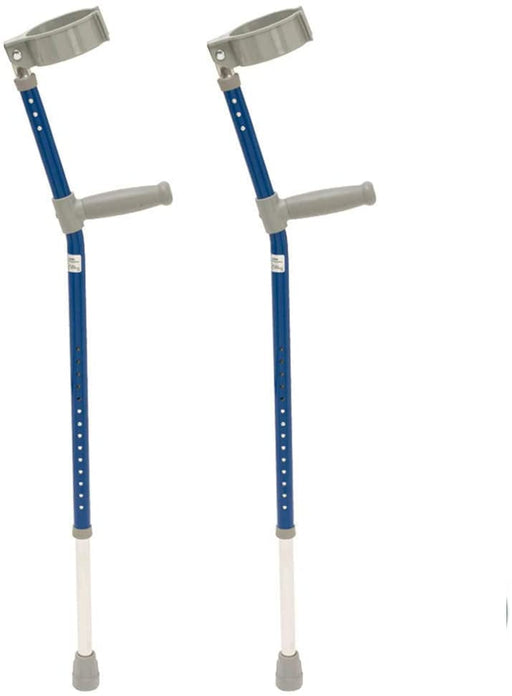
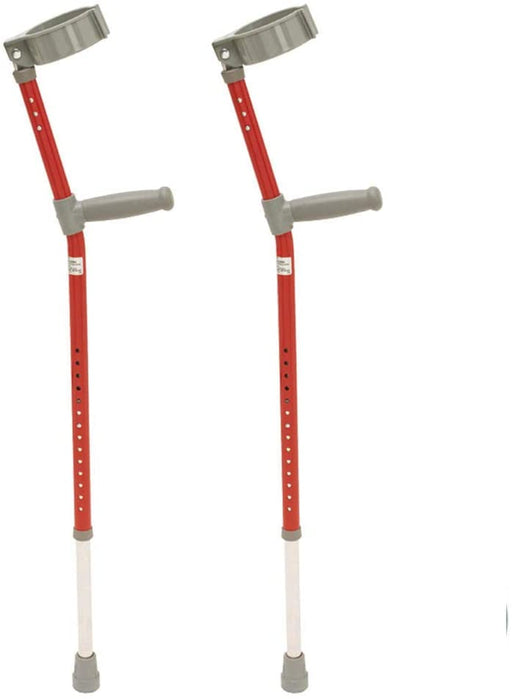
Coloured Crutches (Pair)
NRSOriginal price £64.99 - Original price £77.99Original price£64.99 - £77.99£64.99 - £77.99Current price £64.99Out of stockEye-catching and fun, these Coloured Crutches make getting better a lot less painful. Providing a strong support whilst you're walking, these sturd...
View full detailsOriginal price £64.99 - Original price £77.99Original price£64.99 - £77.99£64.99 - £77.99Current price £64.99 -

Replacement Crutch Ferrule Grey 19mm
Mobility 2 YouOriginal price £1.45 - Original price £1.74Original price£1.45 - £1.74£1.45 - £1.74Current price £1.45Out of stockDescription Replacement ferrule range for colourful crutches. The replacement rubber tip or ferrule is easy to fit to the Aidapt pattern...
View full detailsOriginal price £1.45 - Original price £1.74Original price£1.45 - £1.74£1.45 - £1.74Current price £1.45 -
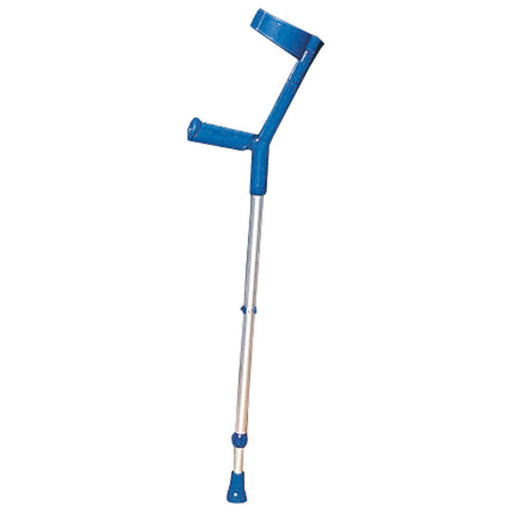
Comfort & Style Crutch - Double Adjustable
NRSOriginal price £44.30 - Original price £53.16Original price£44.30 - £53.16£44.30 - £53.16Current price £44.30Out of stockDesigned to support you more comfortably, the Comfort and Style Crutches feature wider handles, which are ideal if you have painful hands. Height a...
View full detailsOriginal price £44.30 - Original price £53.16Original price£44.30 - £53.16£44.30 - £53.16Current price £44.30Sold out

Here you'll find a comprehensive range of mobility aids and healthcare products designed to support individuals dealing with breaks and fractures. Whether you are looking for broken leg support equipment or broken arm aids, you're sure to find something at Mobility2You.
Different Types On Sale Of Mobility Aids For Breaks & Fractures
🔹Crutches for Support and Mobility
Crutches are a classic mobility aid that provides support to individuals with leg injuries, allowing them to maintain mobility. Our range includes:
|
|
|
🔹Wheelchairs for Comprehensive Support
Wheelchairs are versatile mobility aids that offer comprehensive support for individuals with a wide range of injuries. We provide various options, including:
|
|
|
🔹Orthopedic Products for Healing
Orthopedic products play a crucial role in the recovery process. We offer a variety of supportive braces, supports, and orthopedic accessories to assist in the healing of fractures and breaks.
Considerations When Buying Mobility Products For Broken Bones:
|
a. Injury Type: Identify the specific type and location of the break or fracture to determine the most suitable mobility aid. b. Mobility Needs: Assess the individual's mobility needs, whether they need non-weight-bearing support or comprehensive assistance. c. User Comfort: Prioritize products that offer user comfort, including cushioning, adjustability, and ergonomic design. d. Weight Capacity: Ensure that the chosen product can safely support the user's weight. e. Durability: Our mobility products are crafted from high-quality materials for longevity and stability. f. Safety Features: Prioritize products with essential safety features, such as non-slip grips, stable frames, and secure locking mechanisms. |
|
Load Management & Gait Support for Fracture Recovery
| |
|
Why Buy Fracture Aids from Mobility2You?
At Mobility2You, we are dedicated to providing premium mobility products to empower individuals to recover from broken bones with confidence and independence. Explore our selection, consider the different types and considerations outlined above, and make an informed choice that aligns with your specific mobility requirements during your healing journey.
FAQs
Which fracture aid should I choose for my type of injury?It depends on the injured area (upper vs lower limb), your balance, and your current mobility. Lower-limb fractures often require higher stability and load management, while upper-limb injuries may limit grip strength and affect what you can safely use. What does “non-weight-bearing” vs “partial weight-bearing” mean for choosing an aid?Non-weight-bearing means you should not put weight through the injured limb, so you’ll typically need maximum support and stability. Partial weight-bearing means you can gradually load the limb, so adjustable, stable aids that support progressive loading are often preferred. How do I know if a walker/rollator is safer than crutches?If you feel unsteady, tire quickly, or need a wider base of support, a frame or rollator can be more stable than crutches. Crutches can be effective but usually require better balance, coordination, and upper-body strength. How do I set the correct height for crutches, canes, or walkers?A correct fit generally supports upright posture and controlled weight transfer. Look for adjustable height ranges and follow the product sizing guide; if you’re between sizes, choose the option that maintains comfortable elbow bend and stable posture. What weight capacity should I look for?Always choose an aid with a user weight capacity that safely exceeds your body weight. If you’re close to a limit, step up to a higher capacity for better stability and durability. Are wheeled aids (rollators/knee walkers) safe indoors?They can be, but check turning radius, width (doorways), brake performance, and floor type. If you have tight spaces, thresholds, or slippery flooring, you may need a narrower model or a more stable non-wheeled option. Do I need brakes on a rollator or wheeled aid?Yes, reliable brakes are important for control, especially when slowing, turning, or standing up. If you’re using it for rest breaks, make sure it has a secure parking brake. |